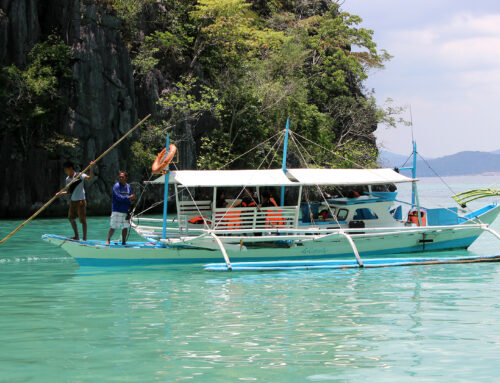
Interesting facts about Pamilacan Island, Bohol
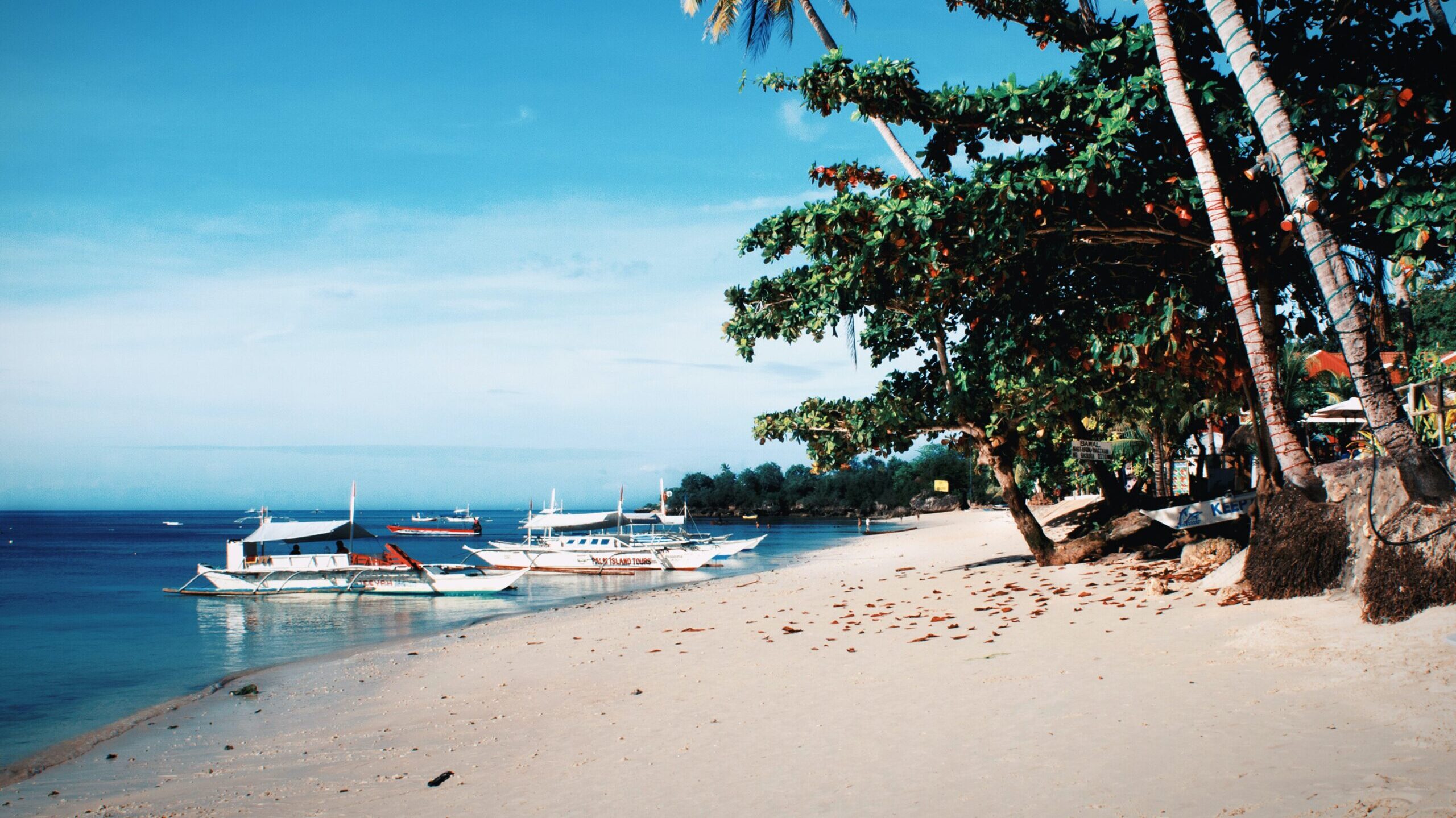
- Pamilacan Island is famous for Dolphin and Whale Watching tours. Bohol is a haven to more than 11 species of dolphins and whales, including the bottle-nose dolphin, Risso’s dolphin, pantropical spotted dolphin, long-snouted dolphin, Fraser’s dolphin, melon-headed whale, short-finned pilot whale, Bryde, and the sperm whales.
- The small island of Pamilacan is nestled in the heart of the Bohol Sea. Its name is derived from the word “pamilac” or harpoon, a large hooked implement made and used by islanders to capture manta rays.
- Pamilacan is a coral island, and fossilized seashells are preserved on the island’s rocky hill. Jaws and other bones of marine mammals and whale sharks adorn some homes in the village. The blue waters surrounding the island teem with lush, colorful marine life.
- The area around Pamilacan Island is now a Marine sanctuary. The island is surrounded by a “fringing reef” which boasts starfish, seagrasses, crinoids, crown of thorns and cleaner wrasses.
- Because of past whale hunting expeditions, almost all houses in Pamilacan have large jaws and bones of marine mammals gracing their walls. This makes the island more interesting to the local and foreign tourists alike, aside from being lured by white sand beaches, magnificent dive sites and abundant marine life.
- In fact, Pamilacan island used to have a whaling industry where generations have hunted the passing whales. Fortunately for all, both humans and animals, that has changed. Whale hunting is a thing of the past, and the whale hunters have become the best whale guides for Bohol’s whale watching trips.
- The island served as a watch station for intruders such as pirates and other enemies of the former Spanish colony. Proof of this is the existence of a 200-year-old Spanish fort at the north east side of the island. The Spanish ruled the Philippines for over 300 years, and even the name of the country derives from King Philip of Spain. Pamilacan Island is made of coral and fossilized seashells that can be seen on the island’s rocky hill.